
In today’s digital world, data has become one of the most valuable assets for businesses. Every day, millions of websites generate large amounts of information about products, prices, reviews, market trends, and customer behavior. However, manually collecting this information can be time-consuming and inefficient. This is where web scraping becomes extremely useful.
Web scraping is a technique used to automatically extract data from websites. Instead of copying information manually, specialized tools or scripts gather data and convert it into structured formats such as spreadsheets, databases, or CSV files. Businesses use web scraping to gain insights, monitor competitors, and make data-driven decisions.
How Web Scraping Works
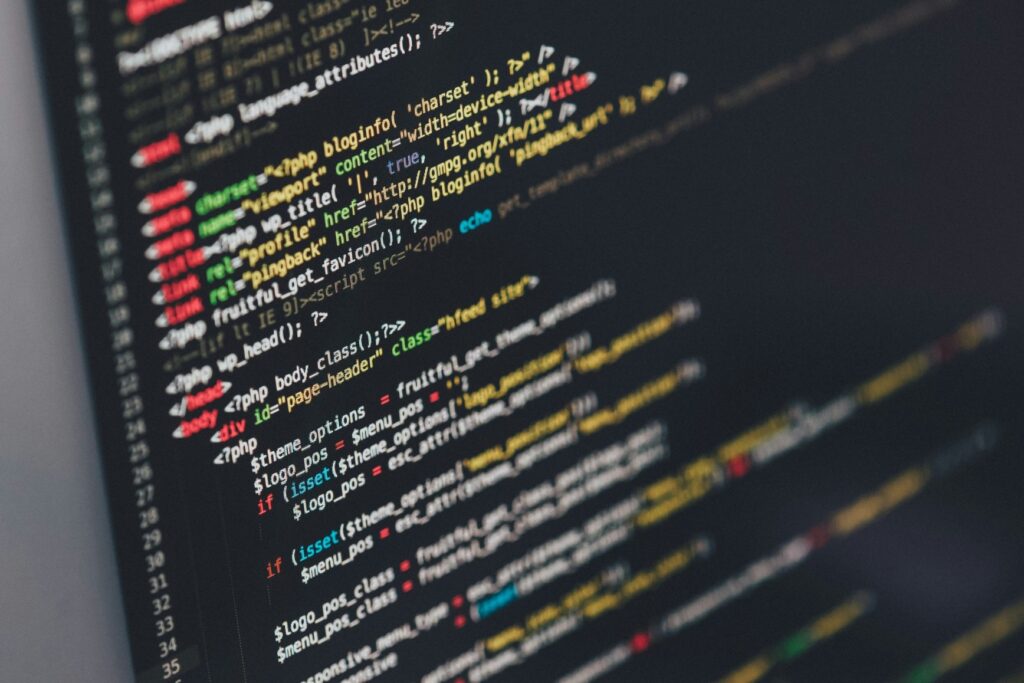
Web scraping works by sending requests to a webpage and retrieving its HTML content. Once the data is received, the scraper analyzes the structure of the page and extracts specific elements such as product names, prices, reviews, or contact details.
Modern scraping tools simplify this process. Instead of writing complex code, users can simply click elements on a page and define what data they want to extract. Many tools even support features like automatic pagination, login handling, and export to Excel or Google Sheets.
Key Benefits of Web Scraping
1. Market Research
Businesses use web scraping to collect market data and identify industry trends. By analyzing information from multiple websites, companies can better understand customer behavior and product demand.
2. Competitor Analysis
E-commerce companies frequently monitor competitors’ prices and product listings. Scraping tools allow them to track price changes and promotional offers in real time.
3. Lead Generation
Sales teams can use web scraping to collect publicly available contact information from directories, social platforms, or company websites. This helps build targeted lead databases.
4. Content Aggregation
Many platforms aggregate content from different websites to provide users with curated information. Web scraping makes it possible to collect and organize this data efficiently.
Industries That Use Web Scraping
Web scraping is widely used across multiple industries. For example, travel companies scrape airline websites to compare ticket prices. Real estate platforms collect property listings from multiple sources. Marketing agencies gather social media and competitor data to improve campaign strategies.
Even researchers and journalists use web scraping to analyze large datasets and uncover insights.
Ethical and Legal Considerations
Although web scraping is powerful, it should always be used responsibly. Some websites restrict automated access through their terms of service. It is important to respect website policies and avoid overloading servers with excessive requests.
Using scraping tools that follow ethical guidelines ensures that data collection remains compliant and sustainable.
The Future of Web Scraping
As artificial intelligence and automation technologies continue to evolve, web scraping is becoming more intelligent and accessible. Modern tools can automatically detect patterns in webpages and extract relevant data without requiring technical knowledge.
In the future, web scraping will likely play an even bigger role in business intelligence, automation, and data analytics. Organizations that leverage these technologies effectively will gain a strong competitive advantage.